
If you've ever wondered what the difference is between stress and anxiety — and why your body seems to overreact to things that aren't actually dangerous — here's the answer. Stress and anxiety are both signals from your body's built-in alarm system, designed to keep you safe, but sometimes that alarm gets it wrong. This article breaks down exactly what stress and anxiety are, how to tell healthy from unhealthy stress and anxiety, the warning signs to watch for, and why everyday spaces like crowded rooms or flickering lights can quietly overwhelm your nervous system.
What Are Stress and Anxiety — and How Do They Affect You in Midlife?
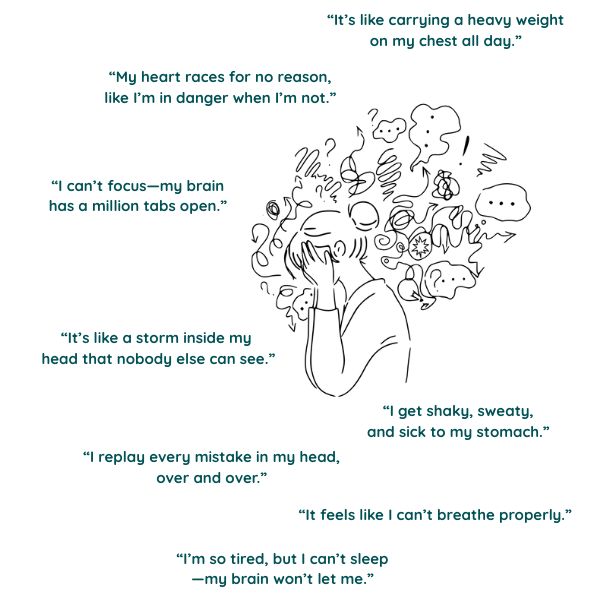
Stress and anxiety can affect people in midlife in different ways. Maybe you can relate to some of these:
What Is Stress? Understanding Your Body's Fight or Flight Response
Stress is a normal part of being human. It is your body's way of equipping you to deal with anything that it senses is a threat. That can be danger coming at you from the outside, like a bus about to hit you, or fearful thoughts coming up inside you, like worrying about a meeting with your boss at work.
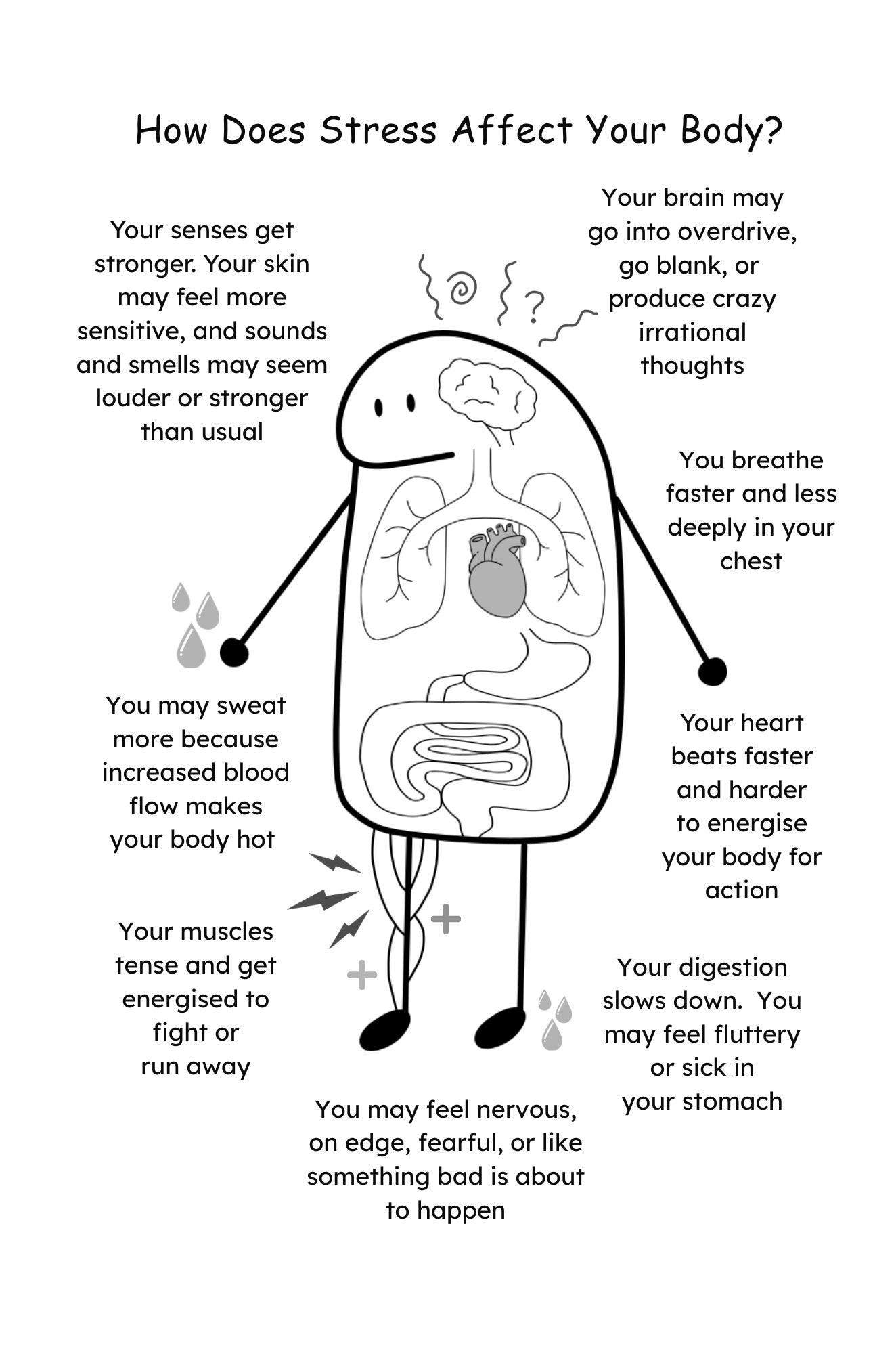
When your body senses that something bad could happen to you, it releases stress hormones like adrenaline, cortisol and noradrenaline. These hormones send a chemical message to your body that it needs to get ready to fight or get away from the danger. This is called your fight or flight response.
Why Do I Feel So Emotional When I'm Stressed?
These reactions in your body can feel frightening, but they are normal and have a purpose. Your heart and lungs pump harder to get more energy to your muscles so that they are equipped to run or fight. Energy is diverted from body functions that are not needed for your immediate survival such as your digestive, immune and reproductive systems, and your brain switches to operating from your faster responding instinctive, emotional part (known as your limbic system).
When your body goes into a stress state, the logical, rational part of your brain goes offline and the instinctive and emotional parts take over. To deal with a physical threat, like an animal about to attack you, your body just needs you to act really fast to protect yourself from the danger and your logical brain (your pre-frontal cortex) works a little slow for that.
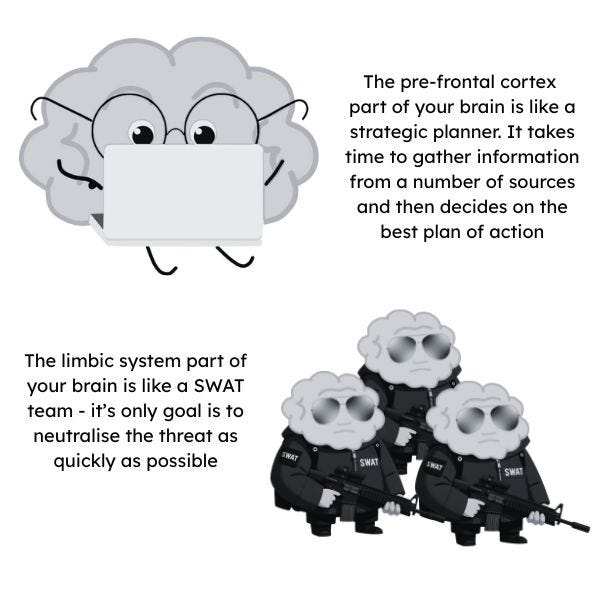
Most of the stress that we deal with now is mental and social problems rather than physical danger. For these issues we need to use our logical brain to think creatively, put together information or communicate intelligently with someone, but our instinctive and emotional brain still fires up first. Basically, your limbic system overrides your thinking brain, and takes over your body whenever it senses you are unsafe or threatened for whatever reason.
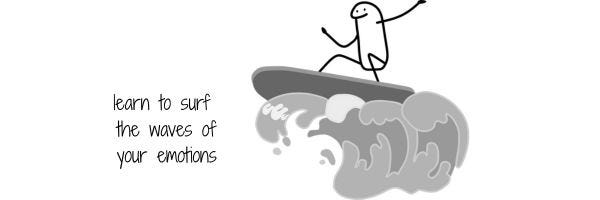
To effectively manage stress it is helpful to learn to ride out your emotional first response and calm your body so that you can access your logical brain as your second response.
Can Stress Ever Be Good for You? Healthy Stress Explained
Stress is one of your body's protective systems. It is healthy when it saves you from danger, or when it is connected to taking on new positive challenges that help you grow and become more skilled and more confident. Experiencing this kind of healthy stress builds your ability to manage life's ups and downs more effectively. This ability is called resilience.
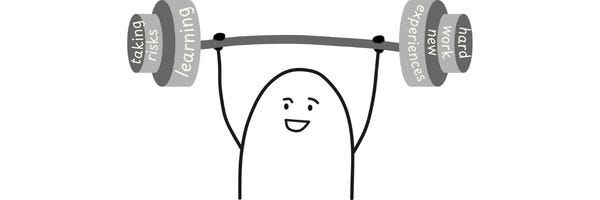
To experience growth you need to go beyond your comfort zone. It is like building physical muscle. Building your physical muscles requires you to challenge them with more repetitions or more weight. In the same way, to build your resilience muscle you need to work through life experiences that are new and difficult — experiences that cause you to overcome fear, learn more and work harder than you have before.
When Does Stress Become Unhealthy? Understanding Chronic Stress
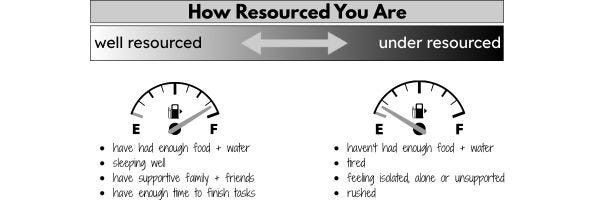
Stress becomes unhealthy when it is more than you can manage or benefit from, or when it interferes with your wellbeing. Different people can manage different levels of stress, and how much stress you are able to manage can also fluctuate from day to day depending on how resourced you are at the time.
Stress becomes unhealthy when you experience ongoing stress for long periods of time (called chronic stress) or when you experience an overwhelmingly stressful event. Both of these things can lead to trauma. Trauma is not about the event that happened, but about how something you experienced affected you mentally and emotionally. Trauma occurs when your emotional response to an event overwhelms your ability to cope, and causes a long-lasting negative effect on your wellbeing.
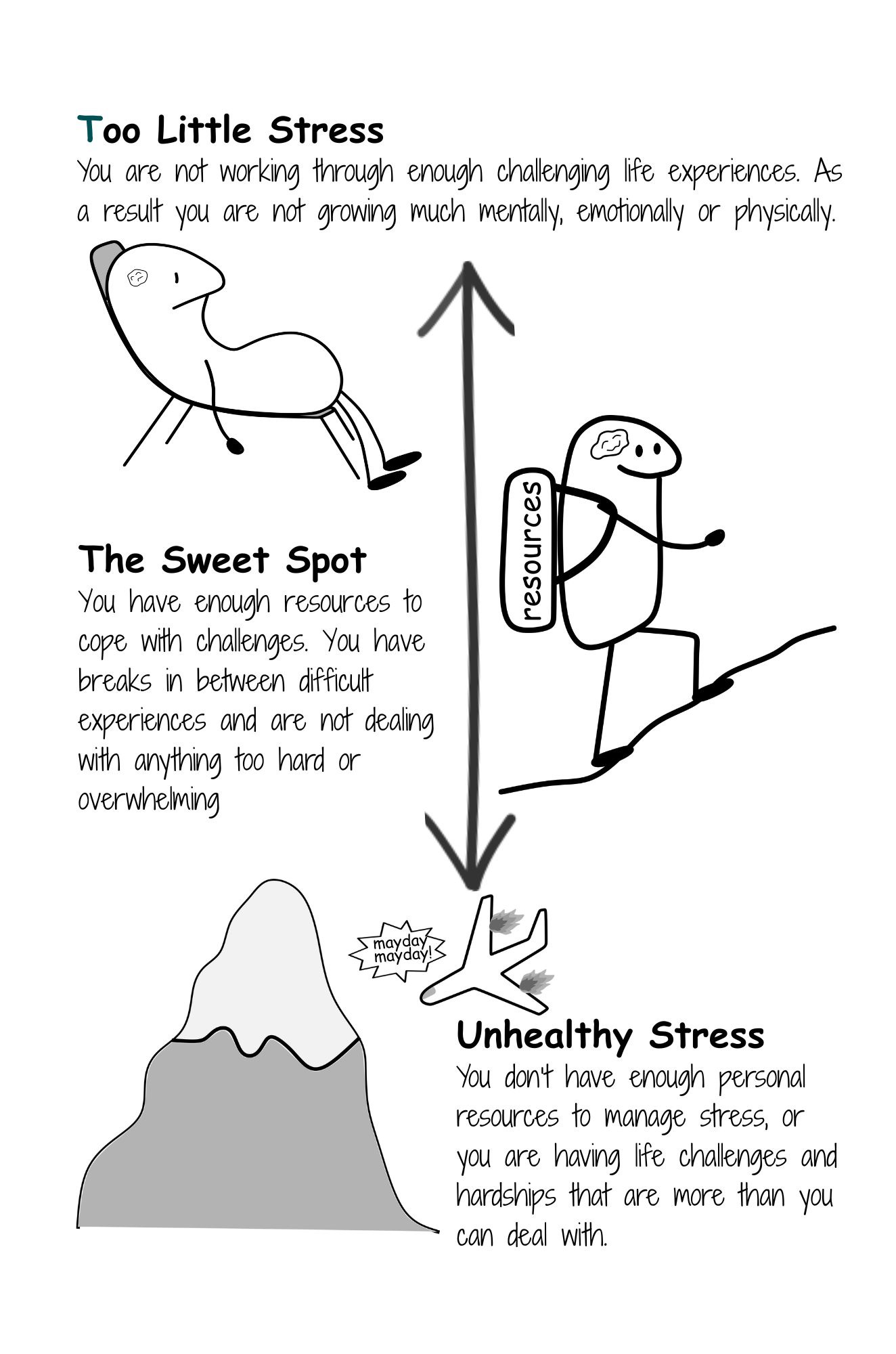
The goal is not to be completely stress-free — it's to find your sweet spot
The sweet spot is where you are experiencing enough challenge to make life interesting and to help you grow as a person, without being overwhelmed. A key part of being able to live in the sweet spot is having a well-equipped resource toolkit to support you. A large part of the work I do is providing you with information and ideas to build your resource toolkit.
What Is the Difference Between Stress and Anxiety?
Stress and anxiety have a lot in common, but they are not the same thing. They also often flow into each other as one experience, which can be confusing.
You can think of stress as the physical things that happen in your body when your survival-based inner alarm is triggered by pain or a threat.
You can think of anxiety as the emotional feeling of fear, worry, dread or panic.
Both stress and anxiety are triggered by your inner survival alarm system sensing that you are being threatened and need to protect yourself. The trigger may be something outside of you (external) or your own thoughts (internal). Like stress, anxiety is a natural part of how your body works and you can look at it as a warning sign that there is something that you need to check out.
Are Stress and Anxiety Always Telling You the Truth?
Your body is amazing and the number one job of your limbic system and nervous system is to protect you and keep you safe. However, it is a bit like a caveman trying to keep you safe. Your limbic and nervous systems get scared very easily and function from old, basic information. This means that quite often your inner alarm goes off when there isn't a real threat, or the threat is not very big. Sometimes it is a false alarm. Be aware of this.
Like stress, you can experience healthy anxiety and unhealthy anxiety.
What Is Healthy Anxiety?
Feeling emotions like worry and fear is uncomfortable, but it is not always a bad thing. Healthy anxiety is your body's way of keeping you safe. It may cause you to pause before doing or saying something that doesn't fit with your values and you might later regret. It can warn us that something about a person or situation isn't right even if we can't obviously see any danger. It can motivate us to do the right thing if we feel anxious that we might get into trouble for doing something dangerous or illegal.
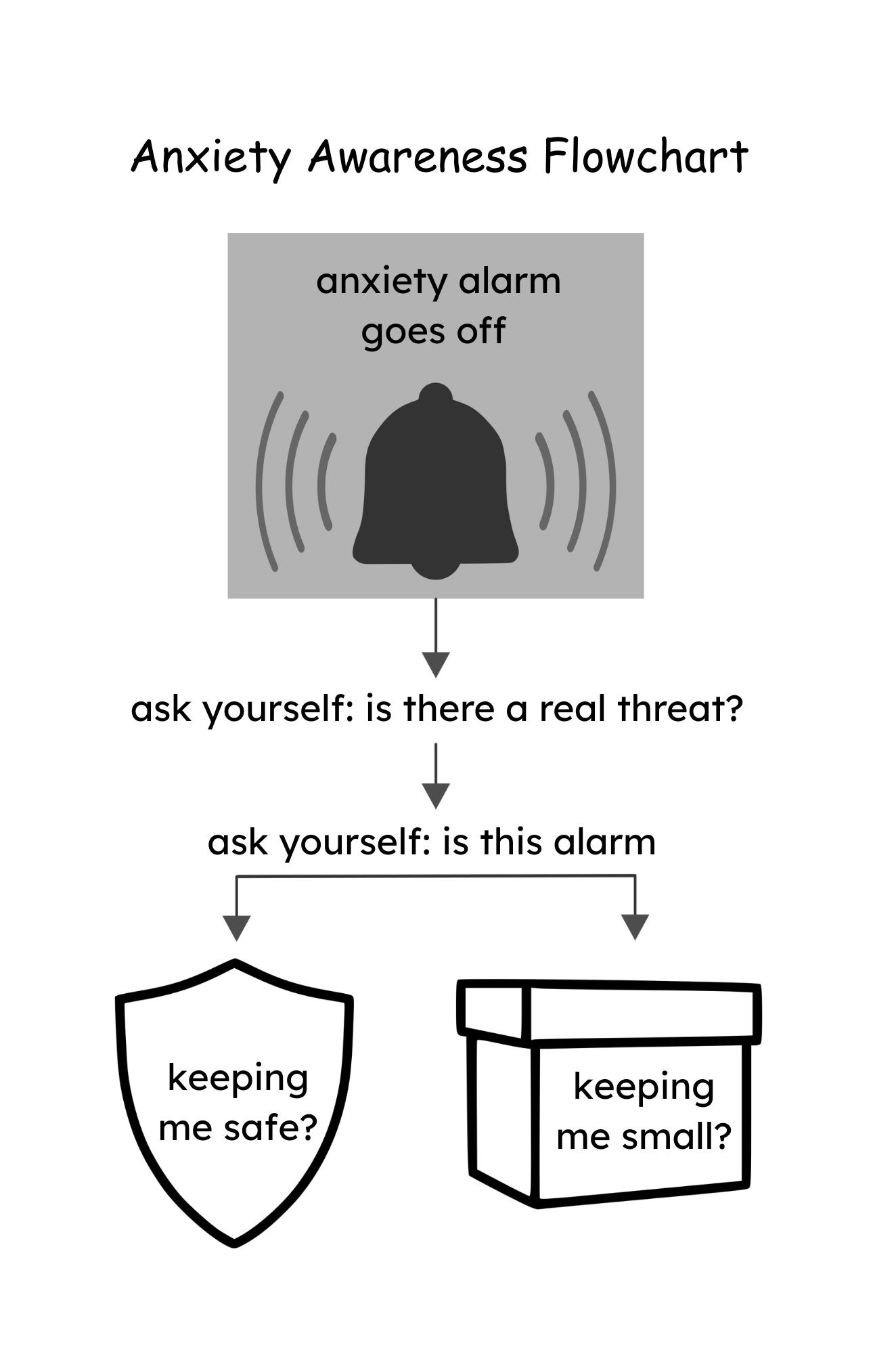
Is Your Anxiety Keeping You Safe — or Keeping You Small?
When you feel anxious, you can pause and ask yourself: what is triggering my inner alarm, and is that warning helping me stay safe, or limiting me from doing something that is new and scary, but which would help me grow as a person? Is your fear or worry being a shield and protecting you, or is it acting like a box and keeping you small?
What Is Unhealthy Anxiety? Three Ways Your Alarm System Gets It Wrong
Anxiety becomes unhealthy when something goes wrong with your alarm system. This can happen in three main ways:
Chronic Anxiety
With chronic anxiety your inner alarm rings far too much of the time and your mind goes from one worry to the next constantly throughout the day.
Specific Fears and Phobias
Fears and phobias occur when your anxiety alarm sounds too loudly in response to specific threats, and your alarm is out of proportion to the perceived threat, or it prevents normal daily functioning. This includes things like separation anxiety disorder, claustrophobia, and phobias of particular creatures such as a fear of spiders or snakes.
Panic Attacks
Panic attacks are when your anxiety alarm rings like a blaring siren. This can happen in the midst of a stressful experience, or the reason for it may not be clear. It can feel like extreme terror, like you are losing your mind, like you are about to die or like something is horrifically wrong. Panic attacks come on and go away quickly, usually within twenty minutes. Often they only happen as a one-off thing, but sometimes people experience more than one over a period of time.
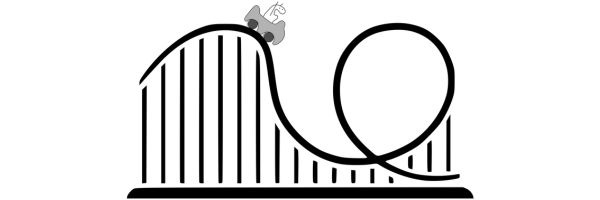
Big Roller Coaster Emotions
Sometimes, fear can feel completely overwhelming — like everything is too much, and like you are unable to cope. When this happens you may start to look for a way to escape the unbearable heaviness. To avoid these emotions some people turn to alcohol, drugs or sex to try and numb the pain or distract themselves from it. At times, people may begin to consider death as a way out.
If you start to have these thoughts or feelings then please find a trustworthy real person to talk to. Also know that during your forties and fifties, hormonal changes for both men and women can make everything seem bigger. You may feel emotions more intensely, and your body is in a state of stress from managing the physical changes that are happening to you.
Big change = big stress.
Big stress = big fears.
Anxiety can also be caused by feeling an uncomfortable emotion such as anger or hurt and then not wanting to feel that way, or not knowing how to process that feeling. You may think an uncomfortable emotion such as anger is not okay, or find it frightening. Learning to recognise, accept and honestly express uncomfortable emotions in healthy ways is one of the most helpful skills you can learn.
What Are the Signs of Stress and Anxiety in Midlife?
Stress and anxiety in midlife can show up in ways you might not immediately connect to your nervous system. Common signs include:
- craving sugary and high fat foods
- doom scrolling
- struggling with comparing yourself to others
- having trouble focusing
- not taking care of yourself
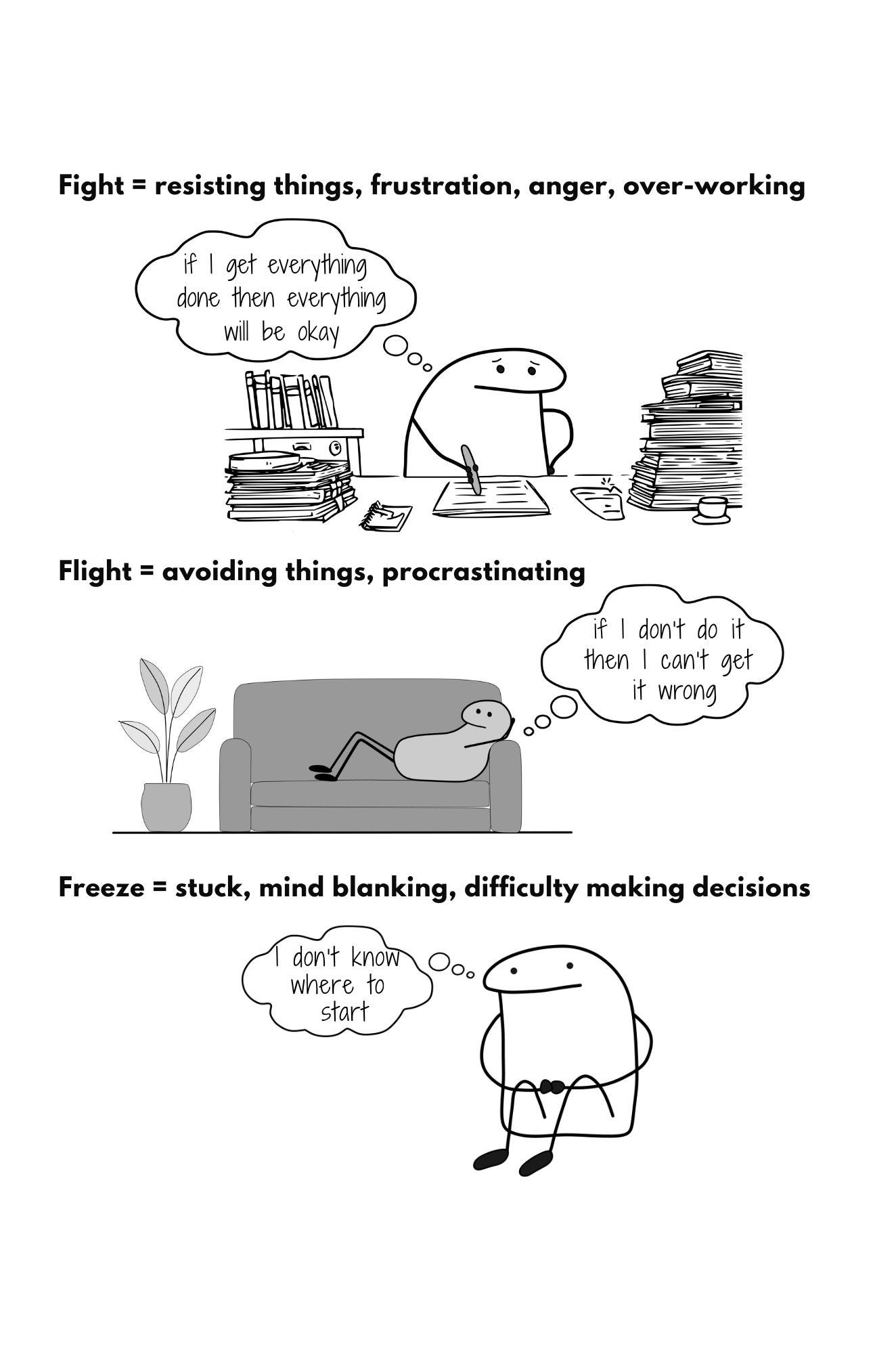
- procrastination
- burnout from overworking
- having a lot of negative thoughts about yourself
- eczema, pimple and acne breakouts
- excess weight around the abdomen
- avoiding spending time with friends and family
- doing things in a rush without thinking them through first
- trouble sleeping or sleeping too much
- anger, frustration, feeling easily irritated
- hormonal imbalance and lowered levels of estrogen and progestorone in women and testosterone in men
One of my tell-tale signs that my stress levels are getting high is that I start to swear more. There may be other reasons you could be experiencing these things, but they can be connected to stress. You can think of the behaviours in the list above as modern day ways of going into the stress state of fight, flight or freeze.
What Is Sensory Overload — and Is It a Sign of Stress and Anxiety?
Stress and anxiety are not just caused by obvious challenges and dangers. Your nervous system is constantly using your senses to scan the environment for threats. Sometimes a room, shop or area may feel unsettling to you, but you are not sure why. This is likely because something is triggering your senses, and your limbic system is interpreting it as a possible threat.
People experience different levels of sensory sensitivity. Some people are born highly sensitive, some people are more sensitive due to an experience of trauma, and everyone naturally becomes more sensitive when their stress levels are high.
Listed below are some things in your environment that may trigger your sensory stress response. They may cause you to feel a little unsettled or on edge, or they may overload you if you are already feeling stressed:
- Constant movement within a space causing unsettling sensory awareness of change
- Ceiling fans, busy patterns, or flickering screens can all disrupt your inner ear's balance system
- Being in a crowded, constantly shifting environment can lead to a feeling of being ungrounded or floating
- Spaces without visual "landing spots" — calm, neutral areas where your gaze can settle — keep your nervous system in scanning mode
- Spaces with multiple sources of noise or where you can hear short, sharp noises can lead to auditory overwhelm, or your nervous system being jarred into alarm
- Fluorescent and LED lights — conventional fluorescent and LED light bulbs fluctuate in brightness many times per second because the alternating current electricity is not constant. This results in a subtle flicker in the light which can be activating to your nervous system
Understanding Stress and Anxiety Is the First Step to Managing Them
Stress and anxiety aren't signs that something is wrong with you — they are your body's ancient alarm system trying to protect you, even when it gets the threat level wrong. Learning to recognise the difference between healthy stress and anxiety (which keeps you safe) and unhealthy stress and anxiety (chronic worry, phobias, panic attacks, or overwhelming emotions) gives you the power to respond rather than just react. Add sensory overload into the mix — busy patterns, harsh lighting, or unpredictable noise — and it's easy to see why your nervous system sometimes feels like it's working against you. The good news is that once you understand how your alarm system works, you can start learning to calm it down. If anxiety ever feels unbearable or you're having thoughts of escaping through harmful means, please reach out to a trustworthy person or professional. You deserve support, and you don't have to carry everything alone.
How to Start Managing Stress and Anxiety in Midlife
The best way to manage day-to-day stress and anxiety is to build a toolkit of things that help you calm your mind and body and shift into a relaxed (parasympathetic) nervous system state. It is also a good idea to practise these things before you really need them, so that they are familiar and easy to access. I have put together a starter toolkit for you — The Essential 5-Minute Stress Reset Toolkit — which you can get for free when you subscribe to my Weekly Wellbeing newsletter. The newsletter will give you one piece of practical information and another quick and simple tool that you can add to your resource toolkit.
Yes - I want to build my toolkit and feel calmer and more resourced